

Professional Mold Inspection and Testing Services
Mold Inspection and Testing — Find It, Identify It, and Know Exactly What to Do Next
A musty smell that won’t go away. A stain that keeps coming back. A home inspector who flagged something concerning. Whatever brought you here, you need someone to find the problem and data that tells you how serious it is. That’s what mold inspection and testing delivers, a trained eye to locate the mold and its moisture source, paired with lab-certified results that confirm what you’re dealing with and whether your indoor air is safe. We provide professional mold inspection, and if testing is warranted, we’ll explain why before collecting a single sample.

4.8 / 5
80+ Google reviews
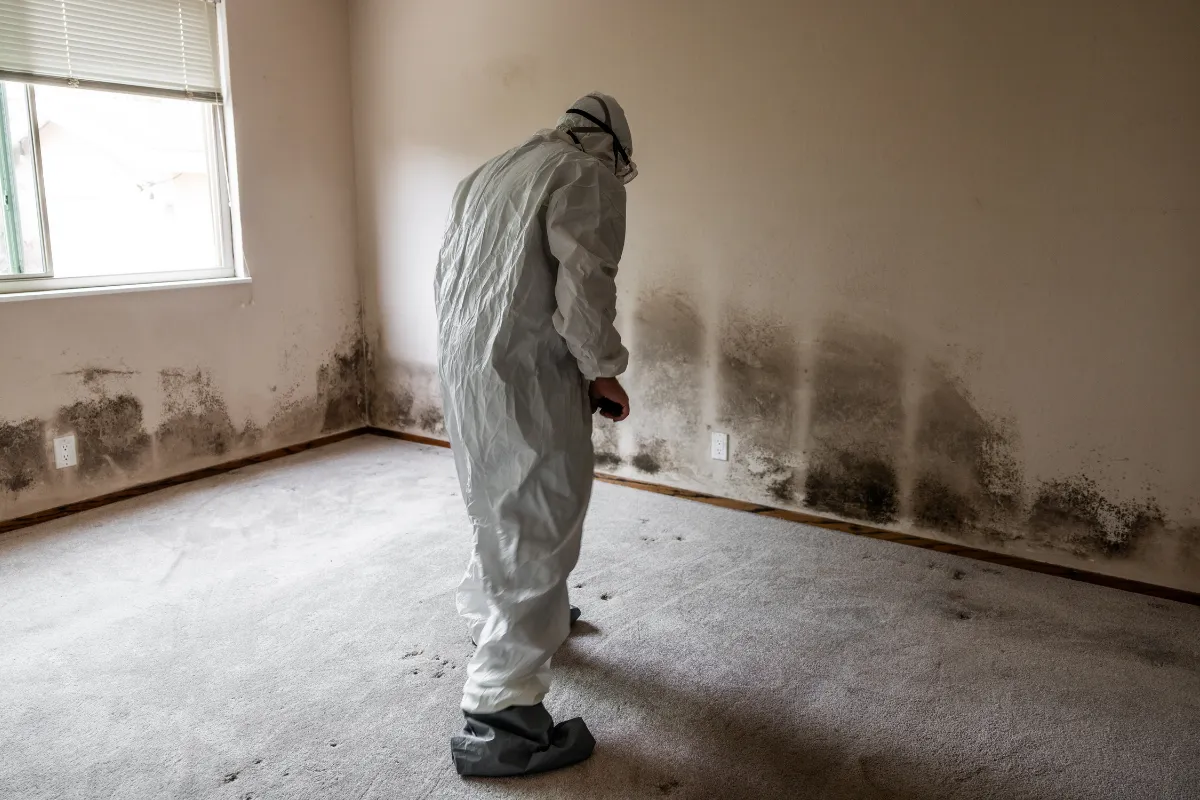
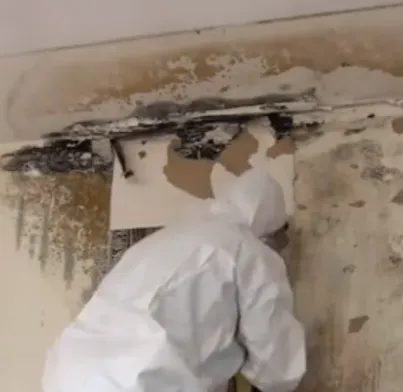
what is mold inspection and testing
How Mold Inspection and Testing Work Together
Mold inspection and testing are two distinct steps that most homeowners need together, but few companies explain clearly. The inspection is the physical assessment where a trained mold expert walks your property room by room, checks walls, ceilings, floors, crawl spaces, and attics using moisture meters and thermal imaging to find where moisture is active and where mold is likely growing. It answers the question: where is the problem and what’s feeding it? Many situations are resolved right here; our team identifies the mold, locates the moisture source, and gives you a clear remediation plan without a single lab sample.
Testing picks up where the inspection leaves off when you need data, not just a visual opinion. Air sampling captures spore counts so a lab can identify the species in your air and whether concentrations are elevated above outdoor baselines. Surface sampling identifies the exact genus growing on a specific surface.
Combined, mold inspection and testing give you the complete picture: where the mold is, why it’s growing, what kind it is, and whether it’s affecting your indoor air quality. That’s the foundation every remediation decision should be built on.
When Mold Inspection and Testing Matter Most
Situations Where Professional Mold Inspection and Testing Change the Outcome
You Suspect a Problem But Don’t Know How Serious It Is
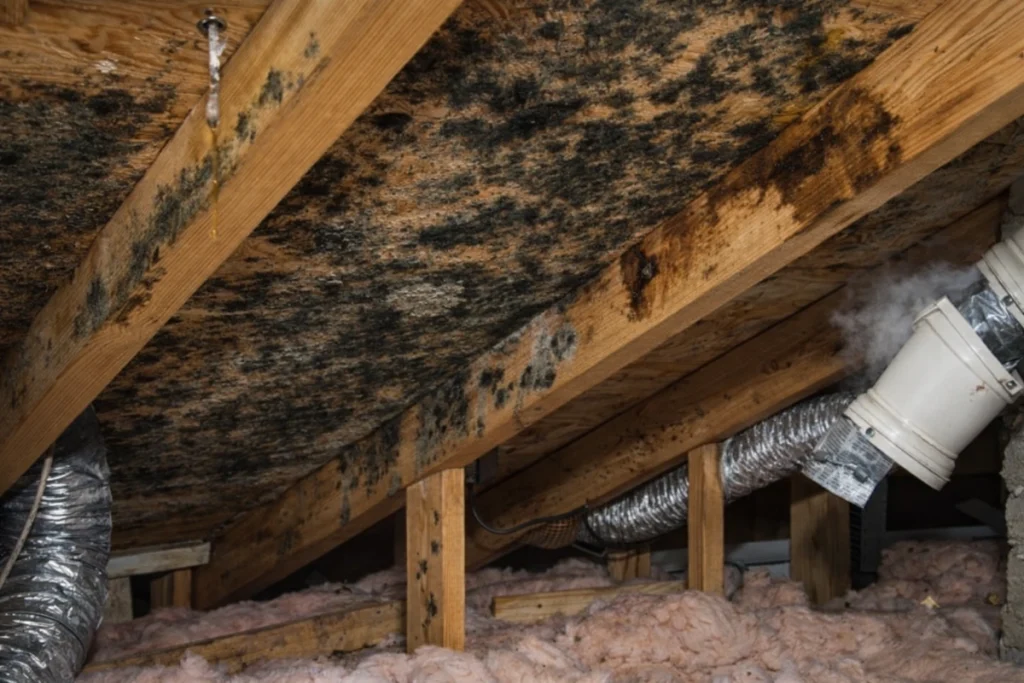
A musty odor, unexplained allergies, or a water stain that keeps returning — these are signals, not answers. Inspection locates the moisture source and identifies growth, even behind walls. If mold is visible, you can move straight to mold removal. If it’s hidden, air sampling confirms elevated spore counts and narrows down where to look.
You’re Buying, Selling, or Refinancing a Home

Buyers want proof a home is safe. Sellers need documentation that an issue has been resolved. Lenders sometimes require clearance reports before approving a loan. A visual inspection alone doesn’t provide the objective evidence a transaction demands; a lab-certified report with spore counts and species identification does.
You’ve Had Remediation Done and Need Proof It Worked
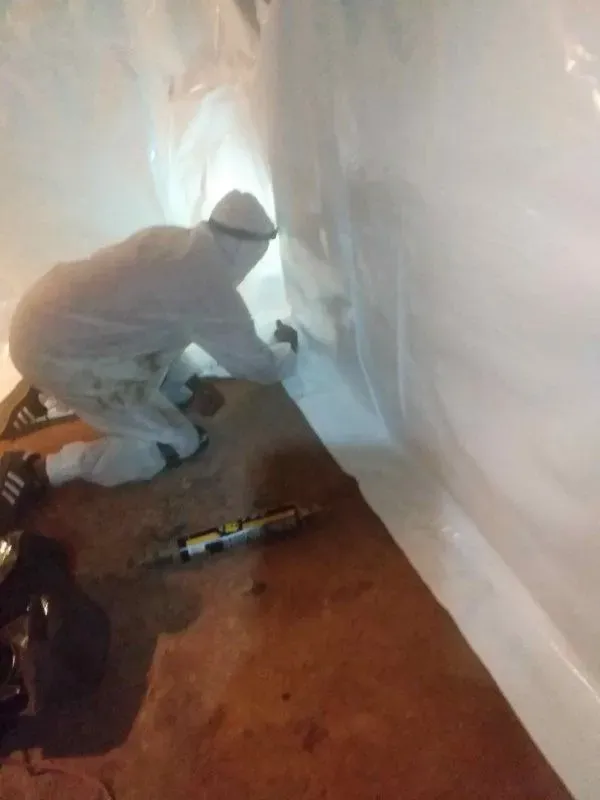
After mold remediation is complete, a second round of air sampling compares post-work spore counts against the pre-work baseline. Clean numbers mean certified proof the job was done right. If not, the remediation company goes back to finish. Standard practice for insurance claims and real estate closings.
Why Professional Mold Inspection and Testing Are Worth the Investment
What You Get from Lab-Certified Mold Testing That a Visual Inspection Can’t Provide
You Find What’s Hidden, Not Just What’s Visible
Mold grows behind drywall, under flooring, inside HVAC ductwork, and in crawl spaces and attics you haven’t entered in years. A visual scan of exposed surfaces catches a fraction of what’s actually there. Professional inspection uses moisture meters and thermal imaging to detect dampness inside wall cavities, above ceiling tiles, and around plumbing — places where mold colonizes long before it becomes visible. When testing confirms elevated spore counts in rooms that look clean, you know there’s hidden growth that needs attention.
You Avoid Paying for Work You Don’t Need
Not every mold situation requires thousands of dollars in remediation. Sometimes the inspection alone reveals a minor surface issue you can clean yourself, or a ventilation problem solved with a $50 dehumidifier. And sometimes testing confirms the spore count is within normal range even though the stain on the wall looks alarming. Professional mold inspection and testing separates the emergencies from the non-issues before you commit to a scope of work. You find out the truth before anyone picks up a tool.
You Get Documentation That Holds Up When It Matters
A written inspection report documents where moisture was found, what areas showed growth, and what the recommended next steps are. Pair it with an accredited lab report — spore counts, species identification, indoor-vs-outdoor comparisons, and you have a defensible record that holds up in insurance claims, real estate negotiations, landlord-tenant disputes, and health-related complaints. A verbal opinion from a contractor doesn’t. If you ever need to prove what was, or wasn’t , in your home, the paperwork is there.
You Protect the People Who Can’t Protect Themselves
Children, elderly family members, and anyone with asthma, allergies, or a compromised immune system are disproportionately affected by elevated indoor mold levels. The CDC links mold exposure to respiratory symptoms, chronic coughing, and worsening asthma. A professional inspection identifies where mold and moisture are present in your home. Testing confirms whether your indoor air quality is safe for the people most vulnerable to it. Together, they pinpoint exactly where the exposure is coming from so remediation can target the source, not guess at it.
How Our Mold Inspection and Testing Process Works
Our Proven Approach to Mold Inspection and Testing
01
Visual Inspection
Our team walks your property with a moisture meter and thermal imaging, checking every area where you’ve noticed odor, staining, or moisture. He’s looking for the source driving the problem, not reasons to sell you testing. If the issue is visible and straightforward, you leave with a remediation plan and no need for lab work.
02
Targeted Sample Collection
Many inspections end at step one. But if the situation calls for lab data — hidden mold, a real estate transaction, a suspected toxigenic species, or post-remediation clearance- we collect targeted air and surface samples. We always include an outdoor baseline for comparison. The visit is quiet, non-invasive, and takes under an hour.
03
Independent Lab Analysis
Samples go to an independent, accredited third-party lab — not ours. The lab identifies every mold genus present, counts spores per cubic meter, and produces a certified report. Rush processing available for 24–48-hour results when timing is critical.
04
We Review the Results With You
We translate every line of the report: which species, whether counts are normal or elevated, what the outdoor comparison tells us, and what to do next. If levels are normal, we tell you that. If remediation is warranted, we combine the lab data with everything the inspection uncovered to scope a precise plan and give you a fixed written price.
Lab results don’t lie. And neither do we. Call for a straightforward conversation about whether mold inspection and testing makes sense for your situation, before you spend a dollar.
What Homeowners Say About working with us
80+ Google reviews.
4.8 stars. Real names. Real Atlanta jobs.
★★★★★
Based on 80+ Google reviews


our service area
Serving Atlanta, Decatur & Surrounding Communities
Atlanta Mold & Cleaning is based on Carter Rd in Decatur, GA, and provides professional mold inspection and testing across DeKalb, Fulton, Clayton, and Henry Counties. Don’t see your city? Call us — we probably cover it.
Mold Inspection and Testing FAQs
What homeowners ask us
Ready When You Are
Schedule an inspection today. The answers are honest. Start there.
Maybe it’s mold. Maybe it’s not. Maybe it’s serious. Maybe it’s nothing. A mold test gives you the facts so you can stop wondering and start deciding. Our team walks your property, recommends the right samples, and gives you a straight answer on what the lab finds, even if that answer is “you’re fine.”