

What would you do if the water is gone, but the damp smell still lingers like a warning you cannot ignore?
Water damage has a way of turning a normal day into a fast-moving problem. Even when the puddles are cleaned up, moisture can stay trapped in places you cannot see, like under flooring, behind baseboards, and inside drywall. That is where mold gets its chance. The good news is you can lower the risk with the right steps in the right order.
Table Of Contents
- Why The First 48 Hours Matter So Much
- The Step By Step Plan That Keeps Mold From Settling In
- What You Should Avoid Even If It Feels Like A Shortcut
- How To Check For Hidden Moisture Before It Turns Into Mold
- When It Is Time To Bring In Extra Help
- How We Recommend You Handle The Days After Cleanup
- Conclusion
- FAQs
In this guide, we will walk through what you should do after water damage to reduce the chance of mold, what you should avoid, and how to tell when the situation is bigger than a DIY fix. We will keep this practical and focused on what actually works.

Why The First 48 Hours Matter So Much
Here is a question worth asking as soon as you spot water damage. If you do nothing until tomorrow, what will the moisture be doing while you sleep?
Moisture does not stay put. It wicks into wood framing, drywall paper, insulation, carpet padding, and the seams under your flooring. The longer materials stay damp, the more likely you will end up with growth that spreads beyond the original wet area. Your goal is simple. Remove water, dry fast, and verify dryness in hidden spots.
Even if the leak looks small, treat it like it is bigger until you prove otherwise.
Start By Stopping The Source And Securing The Area
Before cleanup begins, you should make sure the source of the water is stopped. Shut off the supply line for a burst pipe, fix the overflowing appliance, or temporarily block rainwater intrusion if possible.
Next, focus on safety.
- If water is near outlets, cords, or appliances, shut off power to the affected area if it is safe to do so.
- If the water is from a sewage backup, do not attempt cleanup without proper protection.
- If ceilings are bulging or drywall feels soft, avoid the area until you can assess the risk of collapse.
Once the area is safe, you can move quickly into removal and drying.
The Step By Step Plan That Keeps Mold From Settling In
If you want to beat mold, you need a sequence that makes sense. Many homeowners clean first and dry later, which wastes effort. Drying is the priority because moisture is the fuel.
Remove Standing Water And Pull It Out Of Soft Materials
Start by removing any standing water. For a small area, towels and a wet vacuum can help. For larger areas, water extraction equipment makes a major difference because it pulls moisture from carpet and padding rather than just from the surface.
If carpet is soaked wall to wall, you should assume the pad underneath is saturated. Padding holds water like a sponge. If you leave it in place, it can keep the room humid even if the carpet feels “almost dry” on top.
A good rule is this. If a porous material cannot dry quickly and completely, it becomes a liability.
Create Airflow And Lower Humidity The Right Way
Here is another question to keep you focused. Is the air in the room moving moisture out, or just moving it around?
Airflow without dehumidification can spread moisture into nearby rooms. What works best is combining strong airflow with humidity control.
- Place fans to push damp air toward an exit or toward a dehumidifier.
- Run a dehumidifier continuously to pull moisture from the air.
- Close windows if the outdoor air is humid. Opening windows in humid weather can slow drying.
If the moisture event is in a basement, you should be extra cautious. Basements often dry slowly, and hidden dampness can linger behind finished walls.
Take Out The Materials That Will Not Recover
Some items can be dried and saved. Others are better removed quickly so they do not become a mold factory.
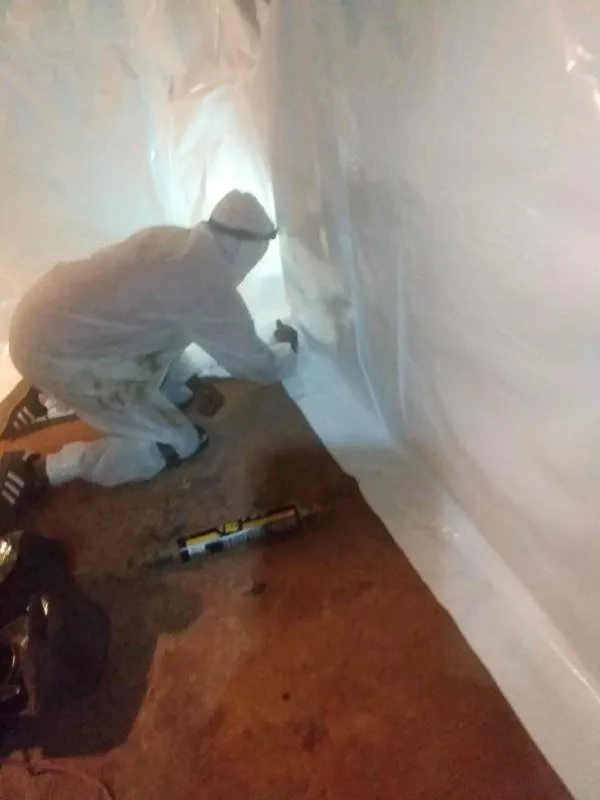
Drywall, insulation, carpet padding, particleboard furniture, and low-grade laminate are common problem materials. If they were soaked for long, they may not dry thoroughly enough to prevent growth.
This is also where mold cleaning gets misunderstood. Scrubbing a surface does not solve moisture trapped inside a wall or under flooring. Moisture control comes first. Cleaning comes after you have removed the water source and dried the structure.
What You Should Avoid Even If It Feels Like A Shortcut
When you are stressed, it is tempting to do whatever feels productive. Some “productive” steps actually make mold more likely.
Do not paint over wet or stained areas. That traps moisture and can hide early growth until it spreads.
Do not run your HVAC system without checking filters and ducts if the affected area includes returns or vents. You do not want to circulate damp air and particles through the home.
Do not rely on scent sprays or candles to cover odors. Odor is a clue, not the problem. Masking it can delay real action.
Do not assume the surface is dry because it looks dry. Moisture moves into layers. Flooring seams, drywall edges, and baseboards often hide the worst dampness.
How To Check For Hidden Moisture Before It Turns Into Mold
If you only remember one thing, remember this. Mold problems often start where you are not looking.
Pay Attention To Smell, Texture, And Small Visual Changes
Musty odor that returns after cleaning is a red flag. So is drywall that feels soft, baseboards that swell, or flooring that begins to cup or buckle.
Watch for discoloration that grows over time. One small stain that slowly expands is more concerning than an old stain that never changes.
Check The Usual Hidden Zones
Moisture loves to hide in predictable places.
- Under sinks and behind toilets
- Behind washers and water heaters
- Under floating floors and carpet edges
- Inside closets on exterior walls
- Around windows after wind-driven rain
If you have access to a moisture meter, it can help you confirm whether wood and drywall have returned to normal levels. If you do not have one, your best move is to increase drying time and inspect repeatedly for several days.
When It Is Time To Bring In Extra Help
Let’s ask the hard question. If you miss moisture inside a wall, will you catch it before it spreads into the next room?
There is a point where the smartest choice is getting help from a professional who has the tools to detect hidden moisture and dry it thoroughly. That point often comes sooner than people think.
Consider outside help if any of these apply.
- Water sat for more than a day before drying began
- The affected area includes drywall, insulation, or subflooring
- You smell mustiness even after drying efforts
- The water came from a contaminated source
- You have health sensitivities in the household
At Atlanta Mold and Cleaning, clients also tend to seek help when they want confidence. It is one thing to hope a wall dried out. It is another to verify it.
If mold is suspected or confirmed, a specialization that matters is targeted remediation rather than general cleaning.
How We Recommend You Handle The Days After Cleanup
After the first rush is over, the next few days are where many homeowners slip. Moisture can rebound, especially if you stop drying too soon.
Here is what we recommend you do over the next week.
Re-check the area daily for odors, dampness, and new stains. Keep fans and dehumidifiers running longer than you think you need, especially in corners, closets, and low-airflow rooms.
Wash or replace items that hold moisture, like area rugs, fabric bins, and cardboard storage. Cardboard is notorious for harboring moisture and should be discarded if it was wet.
If you had a leak, fix the cause and also look for the reason it happened. A clogged gutter, a failing wax ring, or a loose supply line can lead to repeat events if you do not address the root issue.
One more question to keep you honest. If the same leak happened again next month, what would you change now to be ready?
Conclusion
Water damage is not just a mess you can mop up. It is a moisture problem that can linger in layers, and that lingering moisture is what allows mold to take hold. The best steps are straightforward but time-sensitive. Stop the water source, remove standing water, dry aggressively with airflow and dehumidification, remove materials that cannot fully recover, and keep monitoring for hidden dampness.
If anything feels uncertain, treat that uncertainty as a sign to slow down and verify what is happening behind the scenes. The goal is not to panic. The goal is to act in a way that keeps your home dry, clean, and safe.
FAQs
How fast can mold start after water damage?
Mold can begin growing quickly when materials stay damp, especially in warm or humid conditions. That is why fast drying and dehumidification matter.
Should you open windows to dry out water damage?
Sometimes, but not always. If outdoor humidity is high, open windows can slow drying. Fans and dehumidifiers are usually more reliable.
What materials are most likely to cause mold problems after a leak?
Carpet padding, drywall, insulation, particleboard furniture, and items stored in cardboard are frequent problem areas because they hold moisture.
How do you know if water got behind the wall?
Look for swelling at baseboards, soft drywall, peeling paint, and musty odors. Moisture often travels downward and collects near the floor.
Can you clean and disinfect before everything is dry?
You can remove debris, but deep cleaning is most effective after drying. If surfaces are still damp, the moisture problem is not solved and growth can return.
Atlanta Mold and Cleaning Helps You Dry Faster And Stop Mold Early
→ Fast moisture checks and targeted drying where it matters most
→ Careful cleanup for affected materials and surfaces
→ Clear next steps so you know what to do and what to avoid
Schedule your inspection and cleanup visit today and protect your home from mold →
★★★★★ Rated 4.8/5 by 71+ Atlanta homeowners for trusted mold and cleaning services