

Is that patch of discoloration on the wall a one afternoon fix, or the kind of problem that quietly takes over your week with plastic barriers, loud equipment, and constant second guessing?
When you are dealing with mold, the hardest part is not just the cleanup. It is the uncertainty. You want to know how long your home will feel disrupted, when you can safely use the space again, and what might cause delays. We have seen plenty of jobs that wrap quickly, and plenty that stretch because the real issue was hidden moisture or materials that could not be saved.
Table Of Contents:
- Why Timelines Feel All Over The Place
- A Timeline You Can Plan Around
- What Speeds Things Up Or Slows Them Down
- How We Keep Results Predictable Without Cutting Corners
- Conclusion
- FAQs
What follows is a realistic, homeowner friendly breakdown of how long mold cleanup usually takes, what controls the pace, and what you can do so the timeline stays predictable.
Why Timelines Feel All Over The Place
Mold cleanup is rarely one single task. It is a sequence of steps that must happen in order, and the timeline depends on the slowest step. In many homes, the slowest step is not scrubbing or removing material. It is drying and confirming that moisture is no longer feeding growth.
Another reason timelines vary is that what you see is not always the full footprint. Mold often spreads along the path of moisture, which can run behind baseboards, under flooring, inside wall cavities, or around plumbing penetrations. So one home may have a visible patch that is truly isolated, while another home has the same size patch but a much larger hidden area that must be handled carefully.
Competitor breakdowns tend to describe the same core phases, even if the wording changes, such as assessment, containment, removal, cleaning, drying, and then restoration if anything had to be rebuilt. Those phase based timelines are why you will hear ranges like a couple of days for minor cases and closer to a week when removal and drying are involved.
A Timeline You Can Plan Around
Most reputable timeline explanations online land in a similar range for typical residential jobs, often around a few days, with smaller cases completing sooner and larger or hidden cases pushing longer. For example, some competitors describe many residential projects as taking roughly 1 to 5 days depending on the scope, while also noting that extensive cases can extend beyond that, especially if repairs are included.
The key is to think in phases rather than a single number. A project can feel “done” when the visible mold is gone, but the clock is not truly stopped until the area is dry and stable.
The Quick Turn Jobs That Stay Small
A faster timeline is possible when the affected area is limited, easy to access, and not tied to active moisture. In those cases, the work may focus on isolating the area, cleaning salvageable surfaces, and making sure the space is actually dry. Some competitor guides describe small problems under about 10 square feet as commonly falling into a 1 to 3 day window, assuming the moisture source is addressed and the spread is contained.
This is also where homeowners often misread the situation. A surface that looks small can still sit on top of damp drywall or a slow leak. If moisture is still present, what looked like a quick job turns into a longer one because drying becomes the priority.
When It Turns Into A Multi Day Project
A longer timeline is common when porous materials are involved or the mold is hidden. Drywall, insulation, carpet padding, and some woods can hold contamination in a way that makes full removal the safer choice. Removal adds time, and disposal adds time, and then drying has to happen before anything can be rebuilt.
Many competitor timelines describe steps in day ranges, such as assessment taking about 1 to 2 days, containment taking about a day, removal taking anywhere from 1 to 5 days depending on severity, cleaning taking about 1 to 2 days, drying taking about 1 to 3 days, and restoration varying based on what needs rebuilding.
This is where people also get tripped up by wording. A label like mold cleaning can sound like a single cleaning visit, but real remediation style cleanup is closer to a controlled process with containment and drying. That difference is why some projects are measured in days instead of hours.

What Speeds Things Up Or Slows Them Down
If you want a timeline that stays tight, focus on the factors that most often add days. Competitor articles tend to agree on the main drivers, even when they present them in different formats, such as size of the affected area, type of materials, complexity of the moisture source, access, and the need for restoration work afterward.
Moisture is the big one. If the source is a simple, obvious leak, you can often correct it quickly. If the source is hidden, intermittent, or tied to humidity patterns in an attic, crawl space, or HVAC area, the timeline stretches because the real work is investigation plus drying.
Here is one practical way to think about it. Cleanup time is driven by how much needs to be removed or treated. Drying time is driven by how wet the materials are and how well air can move through the space. Restoration time is driven by scheduling and finishing work, which may be separate from cleanup itself.
Moisture Control Is The True Pace Setter
If we had to pick one thing that controls the schedule more than anything else, it is moisture control. Mold does not persist without moisture. So if humidity stays high or materials remain damp, the project cannot properly finish. This is why competitor timelines consistently include a drying and dehumidification phase rather than treating cleanup as only a cleaning step.
From your side, moisture control also affects how many surprises show up. When moisture is still active, new areas can reveal themselves as you open a wall, pull a baseboard, or lift flooring edges. That discovery is not anyone dragging their feet, it is the project reacting to new information.
There is also a big difference between surfaces that can be cleaned and porous materials that often need removal. When porous materials are involved, the timeline grows because careful removal and safe handling take time, and then replacement adds another layer. Competitor discussions call out porous materials like drywall and insulation as common timeline extenders for exactly that reason.
Now let’s talk about what you should and shouldn’t do. This is where homeowners can either keep the timeline smooth or accidentally create delays.
- You should avoid running fans directly at visible growth, because blowing air across contaminated material can spread particles into cleaner areas.
- You should take photos before you disturb anything, especially if the area is tied to a leak or an insurance conversation.
- You should keep kids and pets away from the affected space, because curiosity and contaminated dust do not mix well.
- You shouldn’t scrape, sand, or dry brush a suspicious area, because it can aerosolize debris and make containment harder later.
- You shouldn’t paint over staining or odors as a first move, because it can hide what is still wet underneath.
That is the only checklist style section we will use here, because the rest of your timeline is easier to understand through the bigger picture.
One more thing that often causes delay is when people hire a general crew that treats the job like professional cleaning instead of moisture driven remediation. If the plan does not include containment, removal decisions, and drying targets, you risk having to redo work, which is the biggest timeline killer of all.
How We Keep Results Predictable Without Cutting Corners
At Atlanta Mold and Cleaning, our goal is to make the timeline feel understandable, not mysterious. We do that by explaining what phase you are in and what must be true before the next phase can start. That way, you are not staring at equipment wondering whether anything is changing.
We also try to keep disruption localized. When containment is done well, most of your home can stay normal while one zone is being handled. That matters if you have kids, work from home, or simply do not want the entire house to feel off limits.
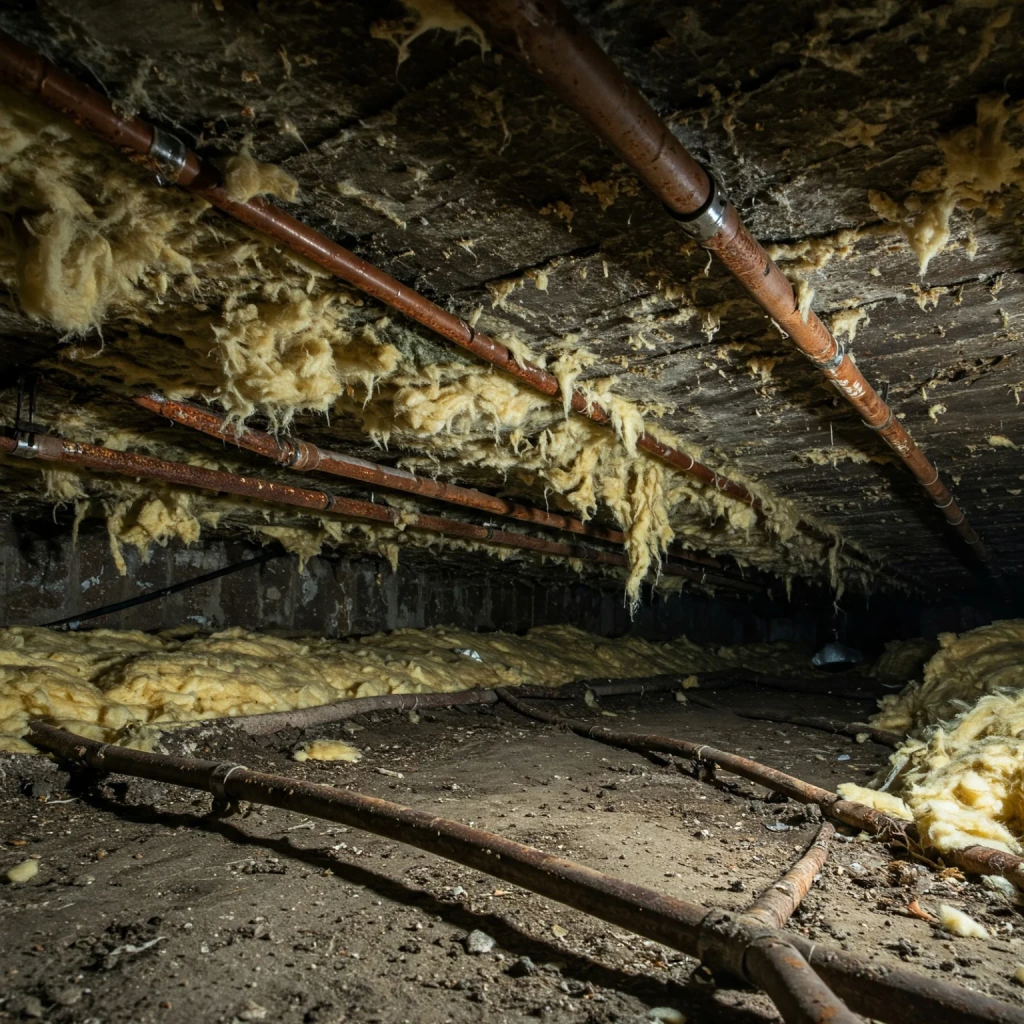
Crawl spaces often trap moisture and can spread problems upward without obvious signs inside your living space. In those cases, our crawlspace cleaning specialization matters because fixing the environment under the home can prevent repeated setbacks that drag timelines out.
The biggest promise we can make without exaggerating is this. When the moisture source is truly handled, the cleanup steps stay predictable. When moisture is not handled, timelines become guesses.

Conclusion
Mold cleanup timelines range because the job is not just about what you can see. It is about how far moisture has traveled, what materials were affected, whether anything must be removed, and how long it takes to dry everything to a stable level. Competitor timelines tend to land on a phased process that can finish in a couple of days for minor issues, stretch to several days for typical projects, and go longer when demolition and rebuilding are involved.
If you want the process to move as quickly as it reasonably can, your best role is to avoid disturbing the area, stop active water sources when it is safe to do so, and take moisture seriously even when the visible patch looks small. The goal is not speed for its own sake. The goal is finishing once, properly, so you do not lose another week to the same problem later.
FAQs
How long does mold cleanup usually take in a typical home?
Many residential jobs fall in the range of a few days, but the best way to estimate is to think in phases. If the issue is small and dry, it can finish quickly. If porous materials must be removed and drying is needed, plan for multiple days, and longer if repairs are included.
What is the biggest reason timelines run longer than expected?
Ongoing moisture or hidden damp materials. If a leak, humidity problem, or trapped moisture is still present, drying takes longer and additional affected areas can show up as access improves.
Can we stay in the house while cleanup is happening?
It depends on where the work is and how containment is set up. If the affected area is isolated and you can avoid the work zone, many people stay home. If the scope is larger or involves multiple rooms or HVAC pathways, it may be more comfortable to be away during the messiest phases.
Why does drying take so long even after the visible mold is gone?
Because the goal is to reach a stable moisture level, not just a clean looking surface. If materials stay damp, growth can return. Many remediation timelines include drying as a distinct step for this reason.
What should we avoid doing before a team arrives?
Avoid scraping, sanding, or blasting the area with fans. Avoid painting over it. Try to keep the space closed off, document what you see with photos, and focus on stopping obvious water sources if it is safe.
Atlanta Mold and Cleaning Keeps Mold Cleanup On Track So You Get Your Home Back Sooner
→ Same day moisture checks to pinpoint what is slowing the timeline
→ Containment and cleanup that prevents spread while work is underway
→ Straight answers on how long it should take and what happens next
★★★★★ Rated 4.8/5 by 71+ Atlanta homeowners for trusted mold and cleaning services


